


Why understanding soccer odds changes how you read a match
When you look at a soccer line, you aren’t just seeing a number — you’re seeing a condensed view of probability, bookmaker risk management, and market sentiment. If you want to make smarter decisions when comparing lines or assessing value, you need to know what goes into those odds and why different books often show different prices for the same fixture. This section gives you the conceptual foundation so the mechanics in the next part make sense.
What odds represent and how bookmakers translate probability into a price
At their simplest, odds are a bookmaker’s expression of probability plus a margin (often called the vig or overround). When you see decimal odds or fractional odds, those formats map directly to the implied chance of an outcome. You should think of the posted number as two things at once: a forecast for the match outcome and a price that includes the bookmaker’s edge.
From statistical model to starting line
Bookmakers usually start by building a probability estimate using one or more models. Models combine data such as recent form, head-to-head records, goals scored and conceded, expected goals (xG), injuries, suspensions, travel, and even weather. Some of the core inputs you’ll commonly see in those models are:
- Team strength metrics (ratings or power rankings)
- Attacking/defensive xG and shot quality
- Roster availability and lineup signals
- Home advantage adjustments
- Rest days and travel fatigue
You should know that different firms weight these inputs differently. A bookmaker focusing on in-play markets might prioritize live lineup and fitness information; a model used by a trading desk may heavily weight recent xG trends. That’s why two reputable bookmakers can post differing “best” prices for the same event: they started from different probability estimates.
Adding the margin: why odds aren’t pure probability
After a model gives a raw probability for home win, draw, and away win, bookmakers convert those probabilities into market prices. To guarantee profitability over many events, they add an overround — a small built-in margin so that the sum of implied probabilities exceeds 100%. That margin covers operational costs, risk, and expected profit.
- Implied probability conversion: odds ↔ probability
- Overround/vig: increases the total implied probability above 100%
- Line balancing: initial margins may be adjusted to attract equal action on both sides
As a bettor, you should mentally remove or account for the vig when comparing prices. Two markets with identical implied chances but different overrounds offer different long-term value to you.
With that foundation — model inputs, probability conversion, and margin — you’re ready to dig into how bookmakers set initial lines in practice and how market forces change those lines before kickoff. In the next section, you’ll see how traders place and adjust opening lines, and how customer betting patterns and professional syndicates push prices around in real time.
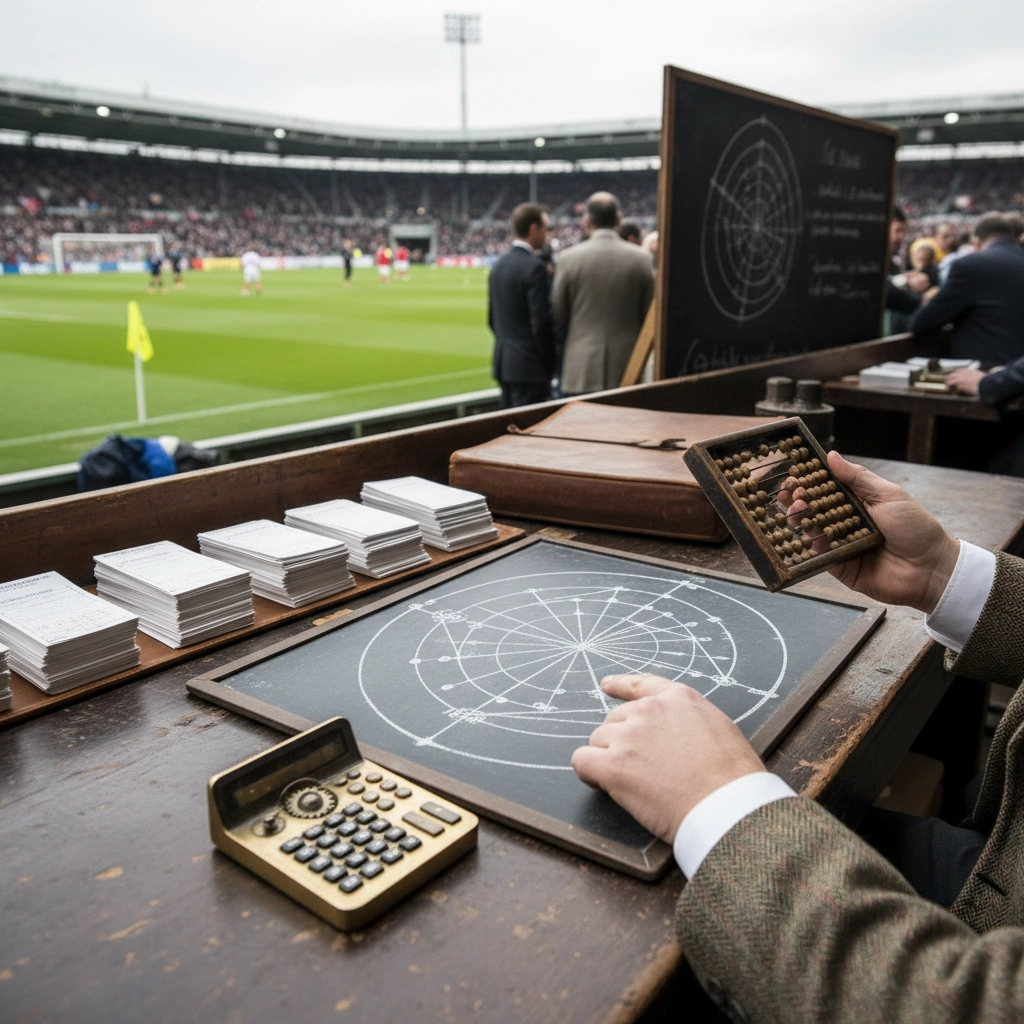
How traders craft the opening line: balancing model output with market reality
Once a probability model produces a starting forecast, a bookmaker’s trading desk takes over. Traders don’t simply port model outputs straight to the public board; they translate them into prices that reflect operational constraints, account exposure, and expected customer behaviour. That process typically includes several practical steps:
- Calibration and sanity checks — models are reviewed against recent lines from other firms and historical data to ensure the number is reasonable. If a model’s home-win probability looks out of step with market consensus, the trader will investigate and often nudge the figure.
- Margin allocation — the overround is distributed across outcomes. For three-way soccer markets this often means slightly higher vig on the draw or the longer-priced side to protect the book from skewed liability.
- Limits and max-bet setting — traders set maximum stakes per outcome relative to implied risk. A highly uncertain match or one with thin markets will have much lower limits.
- Soft-open testing — some books post provisional lines with small limits to probe market appetite and see where early money goes before widening availability.
Human judgement plays a real role. Experienced traders will adjust lines for intangible factors not captured by models: team news leaks, manager hints, or patterns in local betting markets. They also manage inventory across related markets (e.g., match odds vs. total goals) to avoid correlated liabilities that could leave the firm exposed if multiple linked outcomes land.
How market forces and bettors move lines before kick-off
After opening, odds become a living price. Two main forces drive movement: the flow of customer stakes and the actions of professional bettors or syndicates. Understanding these dynamics helps you interpret why a line drifts or shortens.
- Public money vs. sharp money — casual bettors tend to back favourites and popular teams, generating “public money” that often moves the market in one direction. Conversely, reputable sharp accounts (professional bettors, syndicates) place large wagers where they see value; bookmakers generally respect sharp money and will move lines quickly to limit liability.
- Liability management — if too much money piles onto a single outcome, traders adjust odds to discourage further bets on that side and attract opposing action. That adjustment might be a price shift or a change in limits.
- Steam moves and consensus lines — when several books simultaneously shorten a price, it’s called “steam” and usually signals information or heavy sharp interest. Bettors and trading models watch consensus movements to find edges or avoid crowded trades.
- Late news and lineup changes — confirmed starting XIs, last-minute injuries, or weather shifts can cause rapid repricing. In these moments trading desks will act fast, sometimes closing markets briefly to rebalance risk.
Books also use external venues to hedge oversized positions: exchanges, other bookmakers, or layoff accounts with wholesalers. If a firm can’t offload risk externally, it will respond more aggressively on the front end — lowering limits, increasing the vig, or moving a price to eliminate exposure. For bettors, the practical takeaway is simple: watch how and why a line moves. Shortening odds can indicate informed money; steady drift toward longer prices often reflects one-sided public interest rather than newly discovered value.
Beyond watching line movement, successful bettors combine disciplined bankroll management, line shopping across multiple bookmakers, and the use of objective tools (odds comparison sites, exchange markets, and data sources for metrics like expected goals (xG)) to find and exploit small edges. Remember that edges compound: a modest advantage identified consistently and applied with restraint will outperform chasing single “sure” bets that ignore price and risk.

Putting your understanding of odds to work
Knowing how lines are made changes what you look for: not just who’ll win, but whether the price reflects that view. Treat odds as a market price to be compared, monitored and sometimes disagreed with. Stay curious about the data behind models, patient when markets move against you, and humble when they don’t — the bookmakers’ incentives and risk management will often reveal opportunities for disciplined bettors over time.
Frequently Asked Questions
How do bookmakers use models and human traders together?
Models provide an initial probability foundation using data (form, xG, injuries, etc.), while human traders review, adjust and translate those probabilities into market prices. Traders add margins, set limits, sanity-check against other books, and factor in qualitative intel that models may miss.
What is the vig or overround and why does it matter to me?
The vig (or overround) is the bookmaker’s built-in margin that makes the sum of implied probabilities exceed 100%. It reduces the value of the odds offered; when comparing lines, a market with a smaller overround typically gives bettors better long-term value.
How can I tell if a market move is caused by “sharp” money or just public bias?
Sharp money often produces quick, significant price changes across several reputable books (steam) and may be accompanied by limit reductions or suspended bets on one side. Public-driven moves tend to be slower, push favourites shorter, and coincide with heavy betting volume rather than coordinated price shifts among books.