
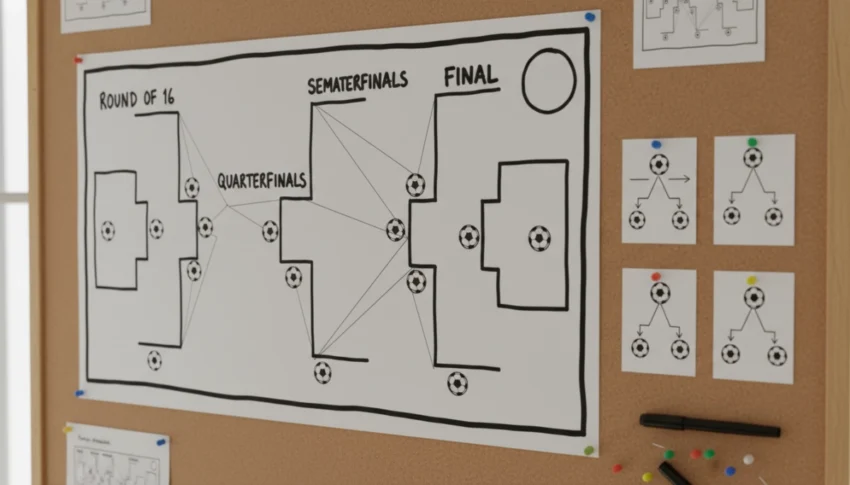
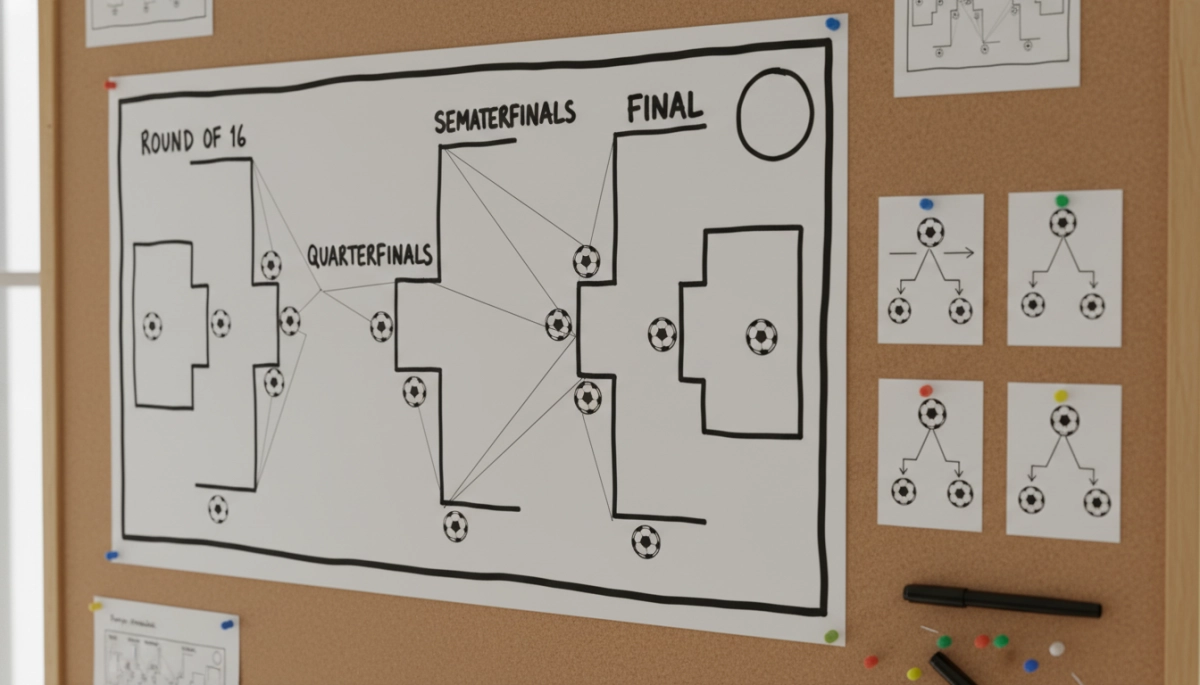
Why a well-designed bracket sets your tournament up for success
When you organize a soccer tournament, the bracket is more than a visual — it’s the roadmap for every match, rest period, and final. A clear bracket keeps teams, referees, volunteers, and spectators informed and reduces disputes about scheduling and progression. By planning the bracket deliberately, you also control competitive balance, game density, and field usage so the event stays on time and feels fair to everyone involved.
Before you draw lines or export a printable version, take time to understand the goals of your tournament. Are you prioritizing maximum play time for youth teams, creating a fast single-elimination cup, or ensuring every team plays multiple opponents in a round-robin? Your answers drive the bracket format, the number of fields you need, and how you seed teams. The sections that follow guide you through these early decisions so the bracket you create matches your objectives.
Choose the right tournament format for your goals
Different formats change how many matches you run and how teams advance. Selecting the correct format early will prevent rework and logistical headaches.
Common formats and when to use them
- Single elimination: Best for short events or when you need a clear winner quickly. Fewer matches, higher stakes per game.
- Double elimination: Good if you want teams to have a second chance after one loss; increases the number of games and scheduling complexity.
- Round-robin (group stage): Ideal for guaranteeing play time for all teams. Use when fairness and development matter more than speed.
- Hybrid (groups into knockout): Combines round-robin group play with a knockout stage; common for tournaments that want both equity and an exciting final bracket.
Estimate time, fields, and match counts
Once you pick a format, calculate how many matches you’ll need and whether your available fields and time blocks can handle them. For example, a single-elimination bracket for 16 teams requires 15 matches; a full round-robin for 8 teams requires 28 matches. Factor in match length, warm-up windows, halftime, and turnover times between matches when you estimate the total event duration.
Collect the essential information before seeding and drawing
Gathering accurate data now makes seeding and bracket creation straightforward later. Create a checklist and confirm items with team contacts to avoid last-minute surprises.
- Team names, age groups, and uniform colors (for scheduling and avoiding clashes).
- Number of registered teams and any late-registration deadlines.
- Field availability and lighting constraints if you plan evening matches.
- Referee availability and any league or association rules that affect match length, substitutions, or tie-breakers.
- Preferred seeding method (random draw, past results, ranking, or geographic placement) and any rules about preventing teams from the same club meeting early.
With format, time estimates, and accurate team data in hand, you’ll be ready to design the bracket layout, apply seeding, and finalize match times — steps that I’ll walk you through next.
Design the bracket layout: templates, byes, and balancing
With format and team count confirmed, choose a bracket template that fits your needs. For single- and double-elimination, standard templates exist for 4, 8, 16, 32 teams (powers of two). If your entry count isn’t a power of two, plan byes for top seeds or run a preliminary “play-in” round. For group stages, decide group size and how many advance to the knockout round so the bracket accommodates the qualifiers cleanly.
- Where to place seeds: Use standard seeding placement to balance the bracket (e.g., 1 vs 16, 8 vs 9) so higher seeds don’t meet until later rounds. For hybrid formats, distribute top seeds evenly across groups first.
- Handling nonstandard numbers: If you have 14 teams for a 16-team bracket, either give two byes to the highest seeds or run a qualifier between four lowest seeds to produce 16. Document the rule you choose and publish it before the draw.
- Balancing travel/club conflicts: If preventing teams from the same club or geographic area from meeting early is important, block them during the draw rather than manipulating seed strengths; this prevents perceived unfairness later.
Render your bracket in a clear, printable format and label fields, times, and match IDs. Use consistent fonts and colors for readability and include tie-break rules or notes on the bracket itself so referees and captains can reference them quickly.
Seed fairly and conduct a transparent draw
Seeding determines how “fair” the bracket looks to participants. Choose a seeding method that matches your goals and stick to it: fully random for fun/community events, past performance or rankings for competitive tournaments, or a hybrid (seed top teams, randomize the rest). Make the seeding criteria public well before the draw.
- Transparency: Hold the draw publicly or stream it so teams see the process. Use numbered balls, an online randomizer, or bracket software that timestamps actions.
- Software vs manual: Tournament platforms and spreadsheet templates can automate seeding, avoid manual errors, and export printable brackets. If you do it by hand, have at least two organizers verify placements.
- Tiebreakers and special cases: Define tie-break rules (goal difference, head-to-head, goals scored, fair play) before group play begins. For qualifiers into knockout rounds (e.g., best third-place teams), include the exact selection algorithm on the bracket info sheet.
After the draw, immediately publish the bracket, schedule, and a short explanation of seeding/tie-break rules to all teams and volunteers. Prompt communication reduces confusion and gives teams time to prepare logistics.
Schedule match times and plan for contingencies
Turn your bracket into a practical timetable. Assign fields and start times, factoring in match length, halftime, a warm-up window, and turnover time between games. On multi-field days stagger start times to free up referees and medical staff for critical windows.
- Include minimum rest periods between matches for teams—youth tournaments often require longer rests than adult competitions.
- Build in buffer blocks (15–30 minutes) to absorb delays from injuries, overtime, or late starts.
- Decide in advance whether knockout ties use extra time, golden goal, or straight-to-penalties; publish this on the schedule.
Finally, draft a contingency plan for weather, referee shortages, or field loss: identify backup fields, a condensed schedule option (shorter halves), and a chain of command for rescheduling decisions. When everyone knows the fallback plan, you’ll keep the tournament moving even when things don’t go exactly to plan.
Match-day operations and communication
On the day of the event, clear roles and real-time communication keep the bracket working. Assign a results manager to update the bracket after each match, a referee coordinator to handle disputes and substitutions, and a field marshal to keep teams on schedule. Use group messaging (apps or a simple PA system) to announce upcoming games and delays; display the live bracket at a central location and online so everyone can follow progress.
Record scores immediately and archive incident notes for any protests. If a match requires rescheduling, consult your published contingency plan and communicate changes to affected teams and officials without delay. After finals, finalize standings, present awards, and solicit quick feedback from coaches and referees to improve the next event.
Ready for kickoff
Organizing a successful tournament is part planning, part adaptable execution. Keep communication open, stick to the rules you published, and trust your volunteers to carry the plan through. If you want an easy tool to publish and update brackets live, consider using an online bracket platform like Challonge to share brackets, schedules, and results with teams and spectators.
Key Takeaways
- Pick the format and plan time/field needs first so the bracket matches your tournament goals.
- Seed and draw transparently, publish tie-break rules, and provide a clear, printable bracket to everyone.
- Build buffers and a contingency plan, assign match-day roles, and keep results updated in real time.