
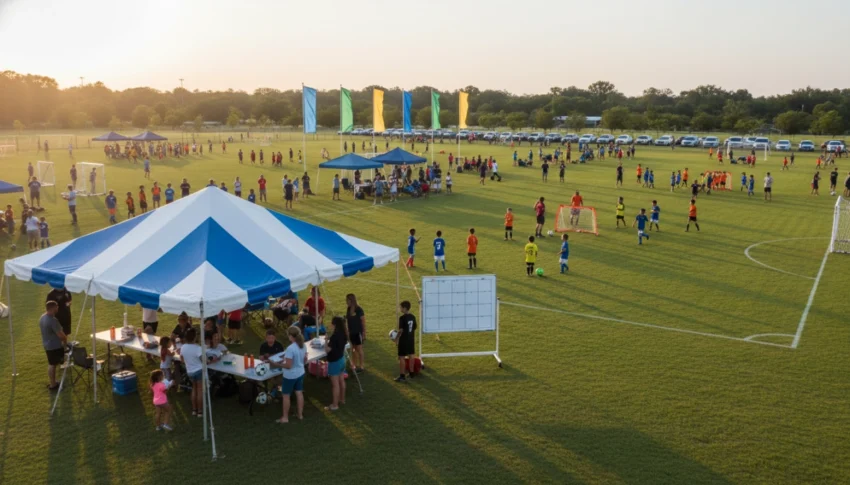

Finding local youth soccer tournaments: where to start and why it matters
You want your child to get game experience, meet other players, and enjoy competitive play without spending hours searching for events. Knowing where tournaments are posted, what to look for in listings, and how tournaments differ by organizer helps you prioritize options and avoid last-minute surprises. This section gives you a practical roadmap for locating nearby youth soccer tournaments and evaluating them quickly.
Places to check first
- Local club and league websites — Clubs often post tournament calendars and registration links for players and guest teams.
- City parks and recreation departments — Municipal sites list community tournaments, summer cups, and age-group events that use public fields.
- Regional soccer associations — State or regional governing bodies publish sanctioned tournaments and insurance requirements.
- Online tournament directories — Aggregator sites and social media groups let you filter by distance, date, and age group.
- Coach and parent networks — Ask your coach or fellow parents; many tournaments fill via word-of-mouth before broad advertising.
Registering your child: essential steps, paperwork, and timing
Registration processes vary, but most tournaments require a few common items and follow similar timelines. Being prepared reduces stress and ensures your player secures a roster spot.
Common registration requirements
- Completed online or paper registration form with player name, birthdate, and contact information.
- Proof of age (birth certificate or player pass) for age verification.
- Team roster and coach contact information if you register a whole team.
- Medical release and emergency contact details.
- Payment of entry fee (credit card or check) and any refundable deposits.
Deadlines, fees, and waitlists
Most tournaments open registration months in advance and close several weeks before the event. Popular events and weekend tournaments often reach capacity early and use waitlists. Typical fee structures include:
- Per-team or per-player entry fees — youth tournaments commonly charge per team, but some recreational events charge per player.
- Late registration penalties — expect higher fees if you register after the posted deadline.
- Refund and cancellation policies — check how far in advance you can withdraw and whether fees are refunded.
Tip: mark registration opening dates on your calendar and set reminders for early-bird deadlines to avoid higher costs or being placed on a waitlist.
How age divisions and match formats shape schedules and travel
Understanding age groups and typical formats helps you plan logistics—field times, number of matches, and travel. Most tournaments sort teams by birth year or conventional youth brackets (U8, U10, U12, etc.).
What to expect from schedules
- Pool play followed by knockout rounds for larger events.
- Shorter match lengths for younger divisions and full-length halves for older youth.
- Weekend-only tournaments that condense multiple matches into one or two days versus multi-day festivals with spaced schedules.
With these basics in hand, you can compare tournaments by level, cost, and schedule to find the best fit for your child — next, you’ll learn how to choose between competitive and recreational events and navigate registration examples step by step.
Choosing between competitive and recreational tournaments
Deciding whether to enter competitive (travel/elite) or recreational (community/festival) tournaments affects time, cost, and the player experience. Competitive tournaments typically feature a higher level of play, stricter roster rules, and longer travel; recreational events prioritize participation, lower cost, and a more relaxed atmosphere. Use these criteria to match an event to your child’s needs:
- Player development and competitive goals — If your child seeks high-level competition, college recruiting exposure, or consistent challenge, competitive tournaments are a better fit. For building confidence, trying new positions, or simply having fun with teammates, recreational tournaments work well.
- Time and travel — Competitive events often require weekend-long travel and may span multiple states. Recreational tournaments are usually local or city-based with shorter schedules and less travel strain.
- Cost and commitment — Expect higher entry fees, travel, lodging, and uniform costs for competitive tournaments. Recreational events tend to be cheaper with fewer mandatory extras.
- Roster and eligibility rules — Competitive tournaments typically enforce strict roster verification, player passes, and no guest-player rules unless pre-approved. Recreational events often allow flexible rosters and easier guest substitutions.
- Refereeing and organization — Competitive events usually contract certified referees and run more rigid schedules; recreational events may use volunteer refs and more flexible match sequencing.
- Atmosphere — Tournaments aimed at development and enjoyment emphasize equal playtime, skills challenges, and festival-style activities. Competitive events focus on results, rankings, and playoff advancement.
Tip: talk with your coach about the player’s readiness and check past tournament results or reviews to gauge competitiveness before committing.
Step-by-step registration examples and practical preparation
Here are two common registration scenarios with concrete steps and what to watch for before arrival:
Example A — Individual/house-team registering for a local recreational cup
- Find event listing on city parks site or club page and click the registration link.
- Create an account or log in, complete the player form (name, birthdate, parent contact), and upload proof of age if requested.
- Pay entry fee (card or online payment). Note refund window and cancellation policy.
- Receive confirmation email with receipt and tentative schedule timeline. Add the event to your calendar.
- One week before: coach confirms final roster, print player medical release forms, and check jersey color assignments.
Example B — Club team registering for a sanctioned competitive tournament
- Club registrar collects player passes, birth certificates, and CSOA/state association player IDs; assemble official roster per tournament format.
- Register as a team through the tournament portal, upload certified roster and coach credentials (background check, coaching license if required), and pay team fee plus referee fees if applicable.
- Watch for roster freeze and guest-player rules; submit guest paperwork before the deadline.
- After registration, monitor emails for scheduling release, field maps, and check-in procedures (coach check-in, player pass verification).
- Pack a tournament kit (first-aid, backup jersey, pinnies, water, snacks, extra cleats) and arrive early on match days.
Small but critical reminders: double-check birthdates and player pass names match ID exactly, save payment confirmations, and confirm parking/field locations ahead of time to avoid last-minute stress. These steps keep registration smooth and let your family focus on the game.
Moving forward: simple next steps
Ready to get your player signed up? Pick one realistic goal—try a nearby recreational cup for experience or a competitive event if you’re chasing development—and put registration dates on your calendar. Confirm required documents with the coach or organizer, set reminders for early-bird deadlines, and assemble a small travel and first-aid kit so match days go smoothly. For official listings and sanctioned events, check resources like U.S. Youth Soccer to verify schedules and eligibility.
Above all, keep communication open with coaches and fellow parents, focus on the player’s enjoyment and growth, and be flexible—tournaments are as much about memories and development as they are about results.
Key Takeaways
- Register early and verify age, roster, and payment requirements to avoid waitlists or late fees.
- Choose tournaments that match your child’s goals—recreational for fun and development, competitive for higher-level play.
- Prepare logistics: pack essentials, confirm schedules/field locations, and maintain clear communication with coaches and organizers.