
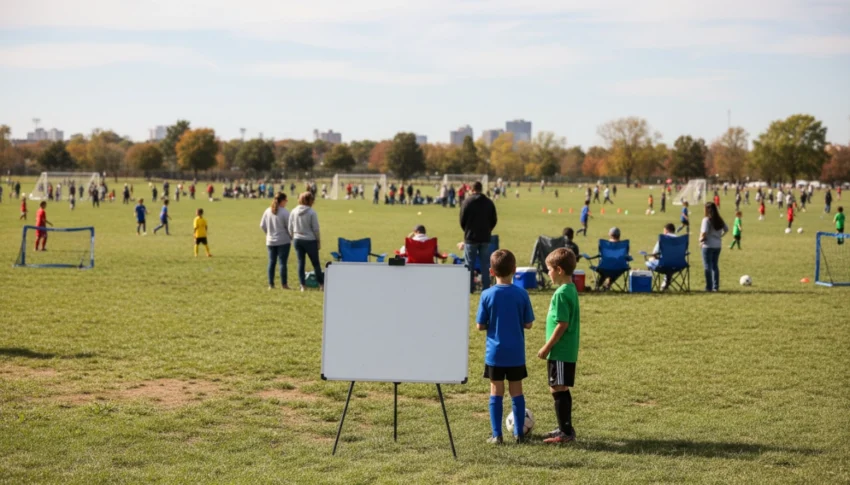
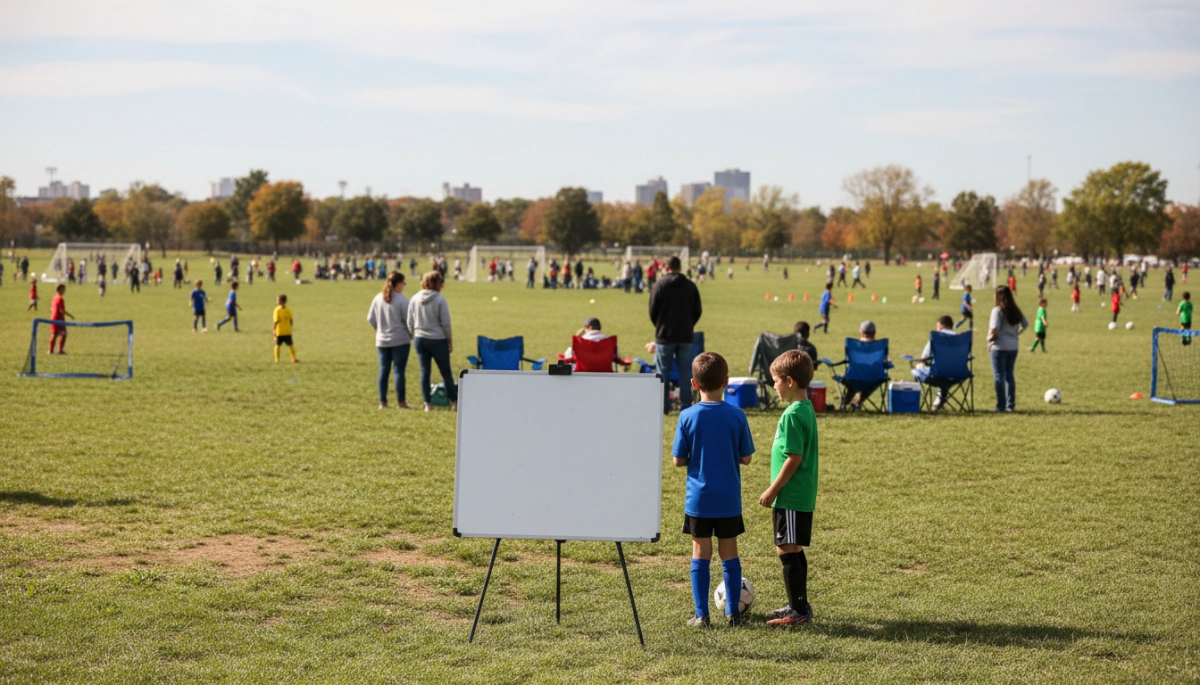
Plan Your Tournament Weekend with Confidence
You’re juggling games, travel, snacks, and energy levels — and small scheduling mistakes can turn an exciting weekend into a stressful scramble. For 2026 tournaments, you can reduce friction by building a clear, realistic schedule before you leave home. Start by confirming arrival and game times, field locations, and any mandatory meetings or check-ins from the tournament organizer. You’ll want a master timeline that adapts to delays while protecting sleep, nutrition, and warm-up routines for your players.
Why a pre-built schedule matters
When you create a pre-built schedule, you remove guesswork for every family and volunteer. A dependable timeline helps you coordinate carpooling, line up subs, and assign volunteers for warm-ups or equipment. It also makes it easier to communicate changes quickly — you’ll be able to tell parents exactly when to arrive, where to park, and what to bring, which reduces no-shows and late arrivals.
Create a Realistic Match-Day Timeline
Design a timeline that accounts for travel, check-in, warm-ups, the match itself, and post-match recovery. Use buffer windows to absorb delays: traffic, field changes, and weather can add unexpected minutes. Aim for conservative timing rather than optimistic estimates so you’re rarely racing to catch the next kick.
Sample timeline elements to include
- Departure time: Calculate drive time plus a 20–30 minute parking/check-in buffer.
- Team check-in: Note where team managers sign in and receive fields or wristbands.
- Pre-game warm-up: Schedule 30–45 minutes for dynamic warm-ups, skills reps, and coach instruction.
- Halftime and post-game: Allow time for hydration, quick tactical adjustments, and cooldown stretches.
- Recovery block: Plan a quiet window after matches for snacks, rest, and rehydration, especially for younger age groups.
Communicating the timeline to families
Share the timeline in multiple formats: a printable handout, a simple text message, and an email with a clear subject line. Highlight arrival times, what to wear, and where to meet the coach. Include contingency instructions — for example, what you’ll do if a field is delayed or if a ref changes the start time. When everyone knows the plan, you reduce last-minute questions and keep the focus on performance and fun.
Pack Smart: Essentials that keep your weekend on track
Packing for a tournament means more than extra cleats. Create a checklist that covers equipment, first aid, nutrition, and comfort for both players and families. Think through the day from arrival to bedtime: what will keep kids energized, warm between matches, and safe on unfamiliar turf?
With your timeline and packing list set, you’re ready to move into travel logistics and field mapping — the next section will show how to route your drives, identify parking zones, and build a flexible itinerary for each tournament day.
Route Your Drive and Park Like a Pro
With multiple games across one or more complexes, efficient routing takes the stress out of the weekend. Before you leave home, run each destination through two navigation apps (Google Maps + Waze) to compare travel times and identify alternate routes. Save each field as a favorite or pin it in your team’s shared map so parents can access directions instantly. If your tournament spans several sites, create a driving order for carpools so families aren’t zig‑zagging across town.
- Plan for parking realities: Large events often have designated lots, permit areas, and overflow fields. Note where drop-off zones are versus long‑term parking, and communicate whether families should bring parking fees or permits. If on‑site shuttles run, factor shuttle frequency into your arrival buffer.
- Drop-off strategies: For younger teams, use a “kiss-and-go” spot for quick offloads: one adult stays with gear while others park. For older players, assign a central meetup point with clear landmark directions to avoid missed handoffs.
- Reserve space for the team: If allowed, stake out a base camp near benches or shade. Bring a lightweight pop‑up tent, folding chairs, and a visible sign so families can find the group between matches.
- Charge and connect: Bring a multi-port power bank and a portable Wi‑Fi hotspot or tethering plan. Tournament apps, scores, and last‑minute schedule swaps rely on connectivity.
Map the Fields and Build a Flexible Itinerary
Field mapping turns a sprawling complex into a predictable workflow. As soon as schedules are posted, overlay the draw on a site map: mark field numbers, rest zones, concessions, first aid, and bathrooms. Color‑code game blocks so coaches and parents see at a glance where and when each match happens. Export this map as a PDF and share it in advance; distribute a simplified printout for families who prefer paper.
Create a flexible itinerary for each match day that slots in travel time between fields, warm‑ups, cool‑downs, and a recovery period. For example, if Game A ends at 12:15 and Game B starts at 2:00 at a different field, your itinerary should show time for: coach debrief (5–10 min), snack/re‑hydration (15 min), light rest (20–30 min), and travel/microwarmup (15–20 min). Assign roles on that itinerary—who handles snacks, who shepherds players, who checks equipment—so every transition is smooth.
- Walk the route: If time allows, do a quick walk of the path from parking to field to identify hazards, long walks with gear, or narrow pathways that slow movement.
- Account for field surface: Turf games need different shoe choices and warm‑up surfaces than natural grass. Flag any fields with artificial turf so parents can prep the right footwear.
- Use team tech: A shared Google Sheet or TeamSnap schedule synced to calendars keeps everyone aligned. Push critical alerts as text messages to ensure immediate visibility.
Handle Delays and Schedule Changes on the Fly
Even the best plans encounter hiccups. Designate a single communication lead so information comes from one voice — fewer rumors, quicker compliance. If a referee delays kick‑off or weather suspends play, keep players safe and engaged with short, purposeful activities: mobility drills, tactical talks, and hydration breaks. Stretch the warm‑up depending on delay length rather than risking muscle strain.
Have a simple protocol for schedule changes: confirm new times with the tournament desk, update the shared schedule and group chat immediately, and reassign volunteer tasks to match the revised timeline. For weather cancellations, know the tournament’s refund and reschedule policies and communicate them calmly to families. Above all, prioritize rest and recovery before pack‑up — a rushed exit after an unexpected wait leads to missed items and frayed tempers.
After the Final Whistle: Post‑Tournament Checklist
Once the weekend ends, a short, consistent wrap‑up keeps momentum for future events and prevents lost items or missed follow‑ups. Run through a quick checklist with coaches and volunteers before everyone disperses so nothing important gets left behind.
- Inventory gear and laundry: collect jerseys, bibs, balls, and medical kits; note anything missing.
- Thank volunteers and parents: send a brief message of appreciation and highlight any standout helpers.
- Log injuries and feedback: record minor injuries and any schedule issues to inform future planning.
- Debrief with the team: hold a short, positive talk focusing on effort and one improvement goal.
- Plan recovery: remind families about hydration, sleep, and light activity the day after intense play.
Final Prep and Mindset
Keep the focus on preparation, communication, and enjoyment. A calm leader who follows the plan and adapts where needed sets the tone for a smooth weekend and a positive experience for players and families. For safety protocols, concussion guidance, and broader tournament resources, check the official site of US Youth Soccer.
Key Takeaways
- Create and share a conservative, flexible timeline so families know when and where to be.
- Map fields, plan parking/drives, and pack essentials to minimize stress between matches.
- Designate a single communicator for changes, prioritize player recovery, and debrief after the event.