
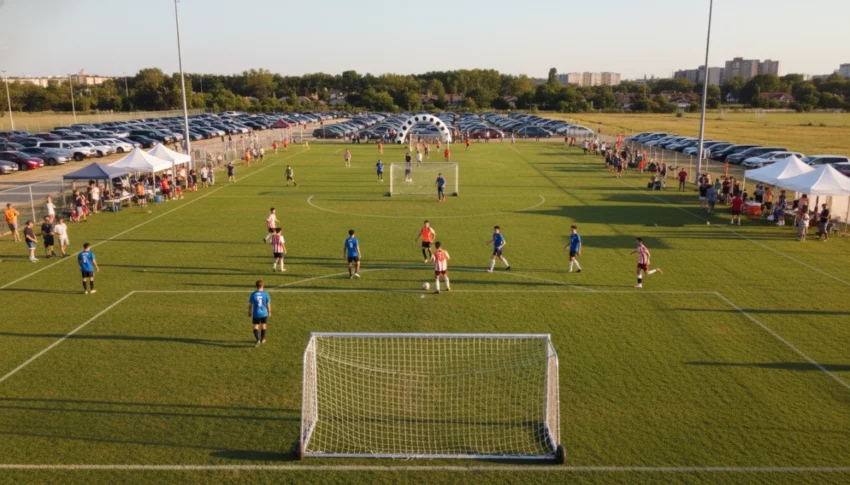
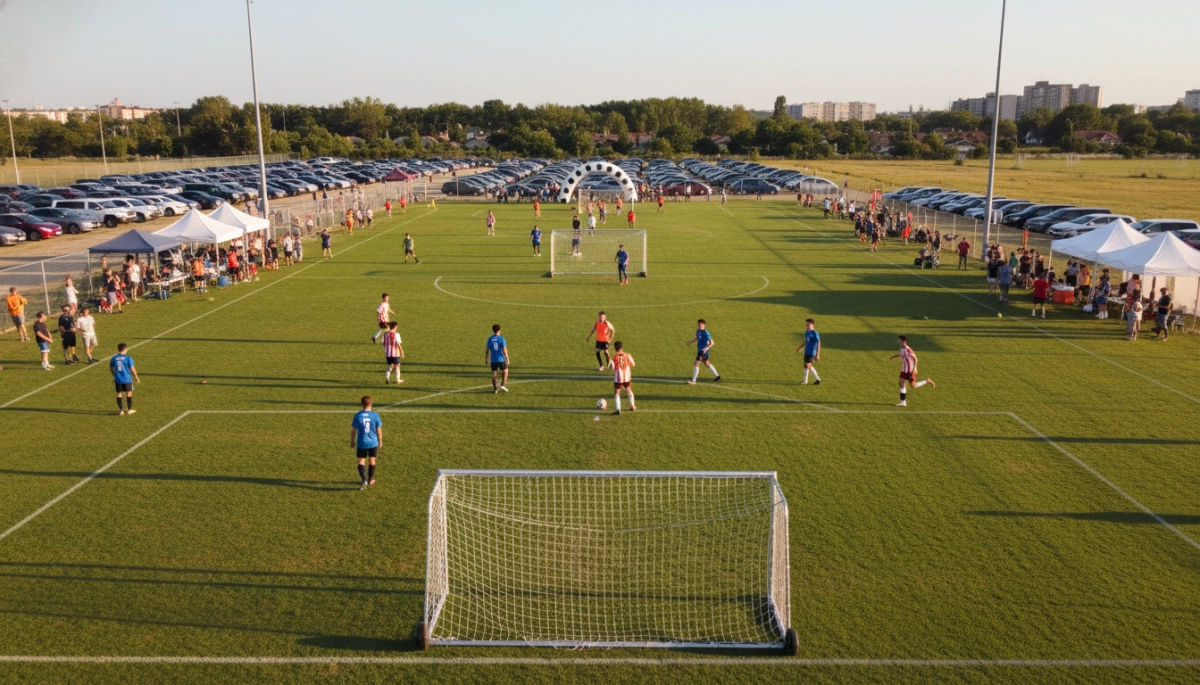
Where to look and why local tournaments matter for your team
You want competitive, well-run matches that help your team develop skills, chemistry, and match fitness. Local amateur tournaments are one of the fastest ways to get meaningful minutes, scout opponents, and expose players to slightly different systems and refereeing. You’ll find events ranging from one-day community cups to multi-day invitationals and travel tournaments—each serving different goals.
What to expect from different tournament types
- Community day cups: One-day or weekend events focused on participation. Good for newer teams or those wanting low-cost competition.
- Regional invitationals: Multi-day events with varied competition levels, often used for player development and scouting.
- Travel tournaments: Larger events that attract teams from multiple regions—useful if you want exposure to diverse playing styles.
- Indoor and small-sided events: Ideal for technical development and maintaining fitness in off-season months.
Choose the right competition level and tournament format for your objectives
You should match your team’s goals—development, results, exposure—to the tournament’s format and standard. Ask organizers about age brackets, skill divisions (recreational, competitive, elite), and match formats (7v7, 9v9, 11v11). A mismatch in level will limit learning: if your squad is competitive, opt for higher-tier brackets; if you’re focused on minutes for new players, choose inclusive divisions.
Practical evaluation criteria
- Field quality and referee standards: Better fields and experienced referees create a fairer, safer environment.
- Match length and schedule intensity: Check rest time between games—tournaments with back-to-back matches require deeper squads.
- Roster rules and substitutions: Confirm maximum roster size, guest player policies, and substitution protocols.
- Costs and extras: Entry fees, referee fees, insurance requirements, and possible travel costs all affect affordability.
- Reputation and reviews: Look for feedback from past participants about organization, communication, and prize structure.
Plan registration, travel, and team logistics so you arrive ready to perform
Register early to secure your spot and get the best schedule. Compile required documents—rosters, player passes, medical waivers—and confirm payment deadlines. If travel is involved, reserve lodging near fields and plan nutrition and recovery strategies for match days. Factor in contingencies such as weather delays or roster illnesses and designate a staff member to handle on-site check-ins and communications.
With the right scouting and logistical preparation you’ll maximize the learning and competitive value of each tournament. In the next part, you’ll get a curated list of the top amateur tournaments near you this season, with dates, formats, and what makes each one worth entering.
Top amateur tournaments to target this season
Below is a curated selection of recurring tournaments and event types worth tracking. I’ve noted the typical month(s), common formats, and what each stands out for so you can match selections to your team’s goals. Always verify current-year dates and registration windows with organizers.
– Dallas Cup (typically March)
– Format: Multi-day, primarily 11v11 across multiple age brackets (U13–U19).
– Why enter: High-level competition with international teams and strong scouting presence—great if you want exposure and to test your squad against elite opponents.
– Surf Cup (SoCal, typically March–April)
– Format: Weekend or multi-day 9v9/11v11 divisions depending on age.
– Why enter: Well-run youth showcase with lots of games and options for competitive and travel-level teams. Good for technical assessment and recruiting visibility.
– Disney Soccer Showcase / Disney Youth Tournaments (Orlando, typically March–April)
– Format: Multi-day festival with brackets for many ages and levels.
– Why enter: Combines high-quality fields and logistics with exposure to college coaches and scouts; also convenient if you want a tournament-plus-trip experience for families.
– USASA National Amateur Cup (regional qualifiers spring, national rounds summer)
– Format: Adult 11v11 knockout through regional to national finals.
– Why enter: One of the premier adult amateur competitions in the U.S.; good for established adult squads chasing silverware and facing top non-professional sides.
– Gothia Cup (Gothenburg, Sweden — July)
– Format: International youth festival with a variety of age groups and formats.
– Why enter: If your club wants an international trip and cultural exchange, Gothia is one of the world’s largest youth tournaments—excellent for team bonding and exposure to varied playing styles.
– State Association Cups / Regional Championships (varies by state; often spring–summer)
– Format: 11v11 knockout or group-to-knockout; age and adult divisions.
– Why enter: These events pit local elite teams against one another and often feed into national pathways. Important for benchmarking within your state/region.
– Indoor and small-sided invitationals (winter months, regionally scheduled)
– Format: 5v5, futsal, or 7v7; typically shorter matches and smaller fields.
– Why enter: Ideal for technical work, maintaining match sharpness in off-season, and getting many touches per player in a controlled environment.
– Community and Weekend Cups (throughout the season; local parks & rec)
– Format: One-day or weekend 7v7/9v9/11v11 depending on age.
– Why enter: Low-cost, flexible competitions good for integrating new players, experimenting with formations, and giving less-experienced players meaningful minutes.
How to prioritize events and build a tournament calendar
Choose tournaments with a clear purpose—development, scouting/exposure, or competitive success—and plan around your competitive season and roster depth. Here’s a simple prioritization framework:
– Rank by objective: List three must-have goals (e.g., “get 6 competitive 11v11 matches,” “expose U17s to college coaches,” “win a regional title”) and match tournaments to those goals.
– Balance intensity: Mix high-intensity showcase events (fewer, for top squads) with local or indoor events (more frequent, lighter load) to avoid burnout.
– Budget and travel: Estimate total cost (entry, refs, travel, lodging, meals) per tournament and cap how many multi-day away events you’ll do. Prioritize events that give the most value per dollar (number of quality matches, exposure).
– Registration timeline: Mark registration and early bird deadlines, roster submission dates, and required paperwork on a shared team calendar. Assign a staff member to manage check-ins and contingency communication.
With this approach you’ll have a focused slate of tournaments that serve development and competitive targets while managing fatigue, cost, and logistics. In Part 3 we’ll wrap up with planning checklists and quick negotiation tips for getting the best deals from organizers and hotels.
Final steps for tournament success
You’ve done the work to research events, weigh formats, and plan logistics—now turn intention into action. Pick your priority tournaments, lock in registrations and travel, and assign clear responsibilities (check-ins, medical lead, communication point). On arrival, keep routines simple: warm-ups, hydration, and quick tactical reminders. After each event, hold a short debrief to capture what worked, what to change, and any roster or scheduling adjustments.
If you need up-to-date event calendars and organizer contact details, consult reputable directories like GotSoccer tournament listings to confirm dates and registration windows. Treat each tournament as both a competitive opportunity and a learning lab—use results and observations to refine your season plan and keep players engaged.
Key Takeaways
- Choose tournaments that align with one clear objective (development, exposure, or competition) and prioritize quality over quantity.
- Plan logistics early—register, confirm rosters, secure travel/lodging, and assign staff roles to reduce stress on match days.
- Debrief after events to turn on-field lessons into actionable improvements for training and future tournament selection.